


Stable vegetable oils
.jpg)
Vegetable cooking oils play a central role in the food industry. At the same time, their oxidative stability poses a significant challenge to quality, shelf life, and technological applications. Until now, the stability of an oil has often been assessed primarily based on its fatty acid composition. However, new research findings show that this view is too narrow: the natural antioxidants present in the seed can also make a significant contribution to an oil’s stability.
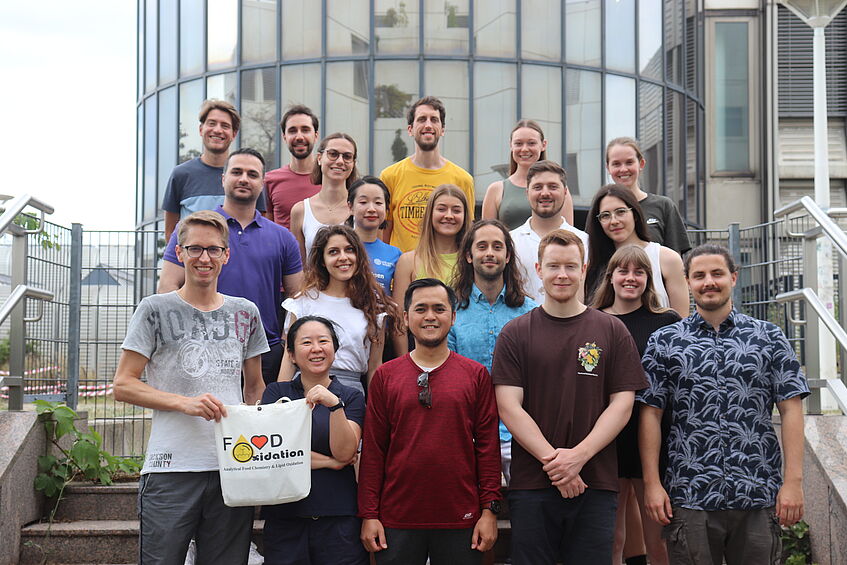
At the Institute of Physiological Chemistry at the University of Vienna, modern analytical methods are used to study in detail the formation and transformation of lipid oxidation products under various storage and heating conditions. Among other techniques, mass spectrometry is employed, which allows for the detection of even early and complex oxidation products. The goal is to gain a better understanding of which factors actually determine the stability of vegetable oils and how these factors can be specifically influenced.

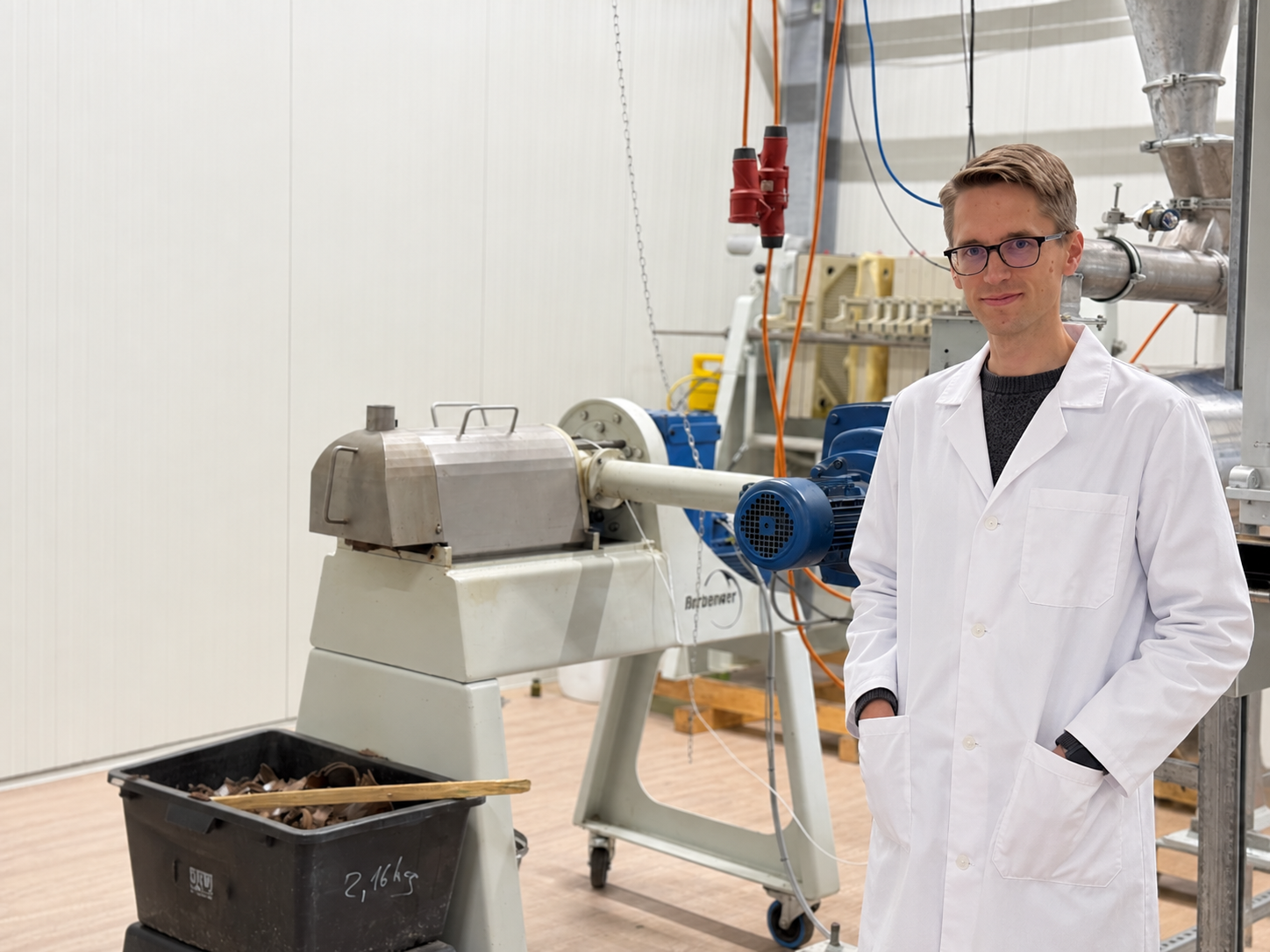
Building on this scientific foundation, the Vienna-based food-tech spin-off LipidLegends is developing new plant-based cooking oils. A key approach involves preserving the natural antioxidants inherent in the seeds as fully as possible in the oil and specifically utilizing them to improve stability. The goal is to achieve stability not solely by altering the fatty acid composition, but through the seed’s natural protective properties.
Initial industrial studies confirm the potential of this approach. Significant differences in the content of natural antioxidants were observed between conventionally produced and optimized oils across various vegetable oils. At the same time, heating and stability tests show that these differences can also affect how the oils behave under thermal stress. The results have already been verified under real-world conditions in collaboration with an international partner from the vegetable oil industry.
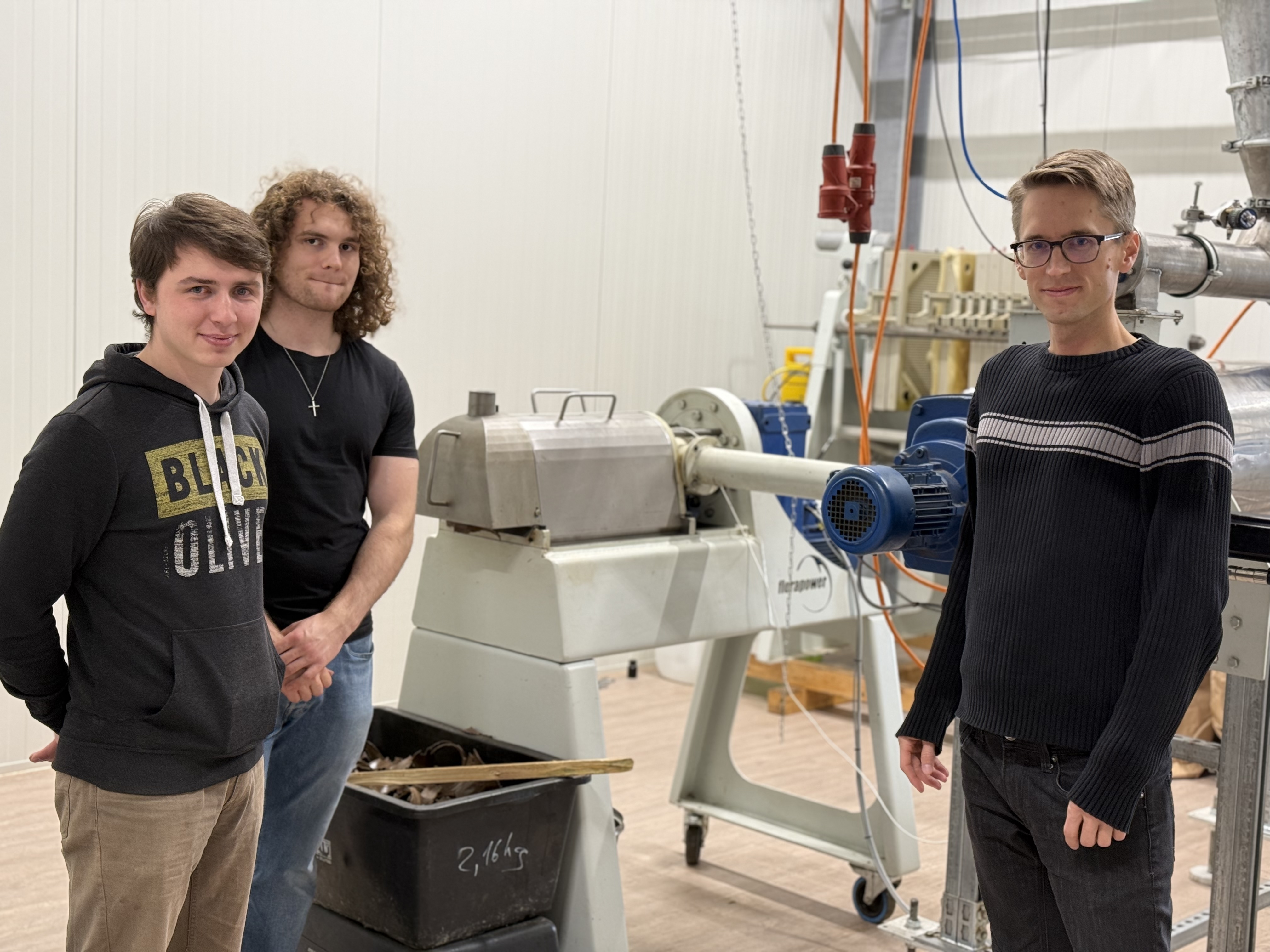
This creates a direct link between basic university research and industrial applications: Modern lipid analysis provides a more detailed understanding of oxidation processes, while this knowledge is translated into new technological approaches for the production of more stable vegetable oils.
For the food industry, this opens up new possibilities, particularly in areas where oxidative and thermal stability, long shelf life, and the preservation of natural bioactive components are important. Further development should demonstrate how this approach can be applied to different oilseeds and industrial applications.
Share it with your friends!


Lipid Magazine
Go to MagazineStable vegetable oils
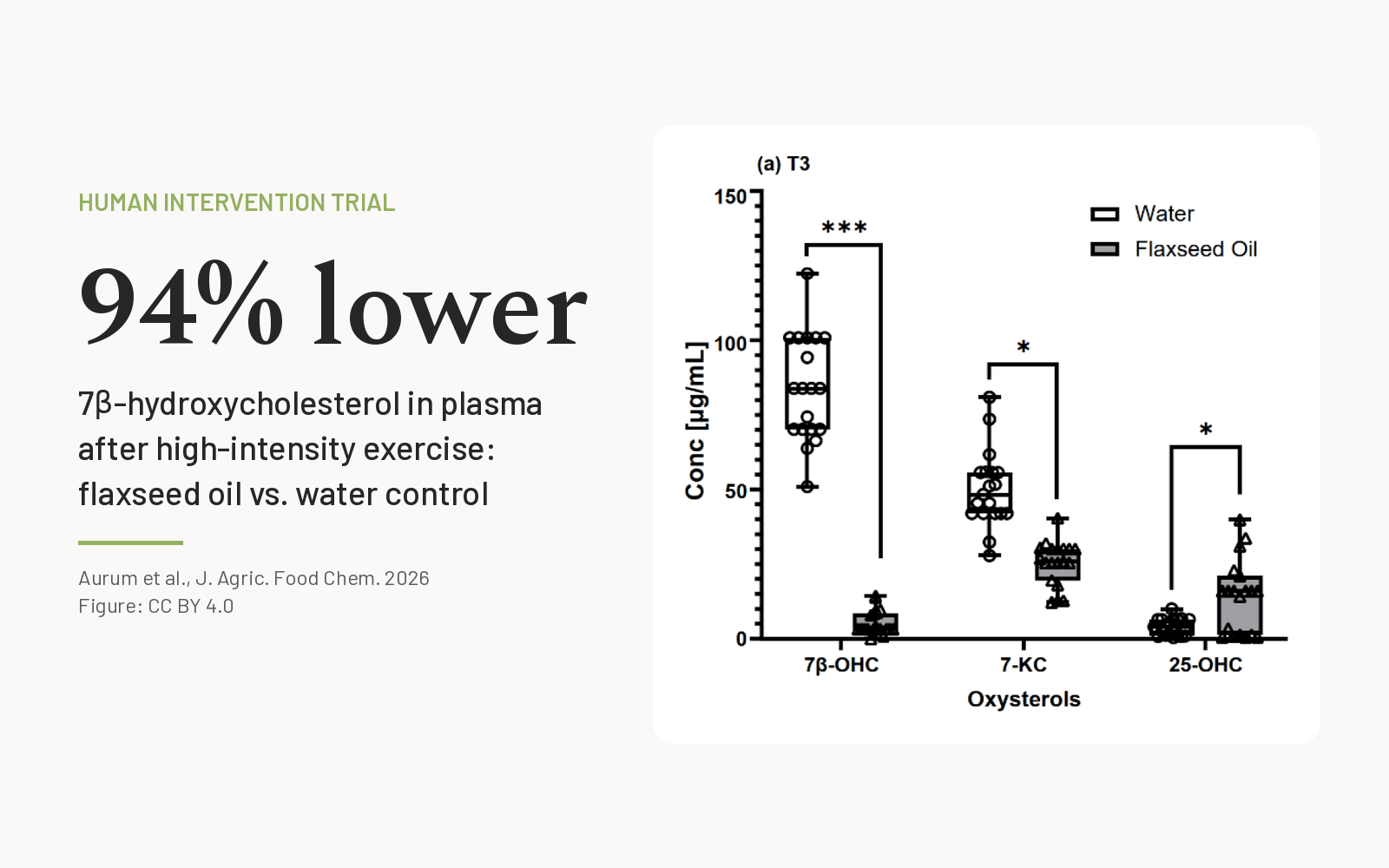
Optimized Flaxseed Oil Trial
Our commitment to the highest quality and safety is reflected in each of our products.
Safety
We offer healthier alternatives to conventional cold-pressed vegetable oils.
Learn More
Discover insider secrets, valuable knowledge, impressive stories and much more in our magazine.
to magazine
